Gallery Artists
Francis Boag
Francis Boag is a celebrated contemporary Scottish artist whose vibrant, emotionally resonant paintings have earned him a place among the leading figures of modern Scottish art.
Born in Dundee in 1948, Boag studied at Duncan of Jordanstone College of Art, where he was mentored by influential artists Alberto Morrocco and David McClure - both known for their expressive use of colour and form. Boag's early career was rooted in education, teaching art across Scotland and eventually serving as Head of Art at Aberdeen Grammar School. Even during his teaching years, he maintained a strong commitment to his own artistic practice, often painting in studio spaces within the classroom to inspire students. His transition to full-time professional artist came in 2001, following a successful sabbatical and MA studies at Gray’s School of Art, which deepened his engagement with contemporary art theory and practice.
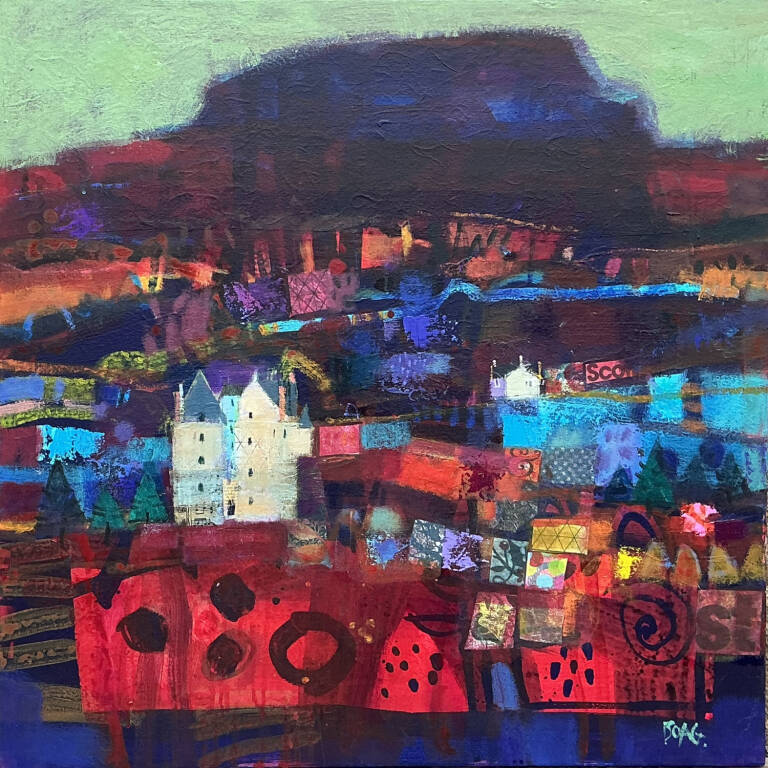
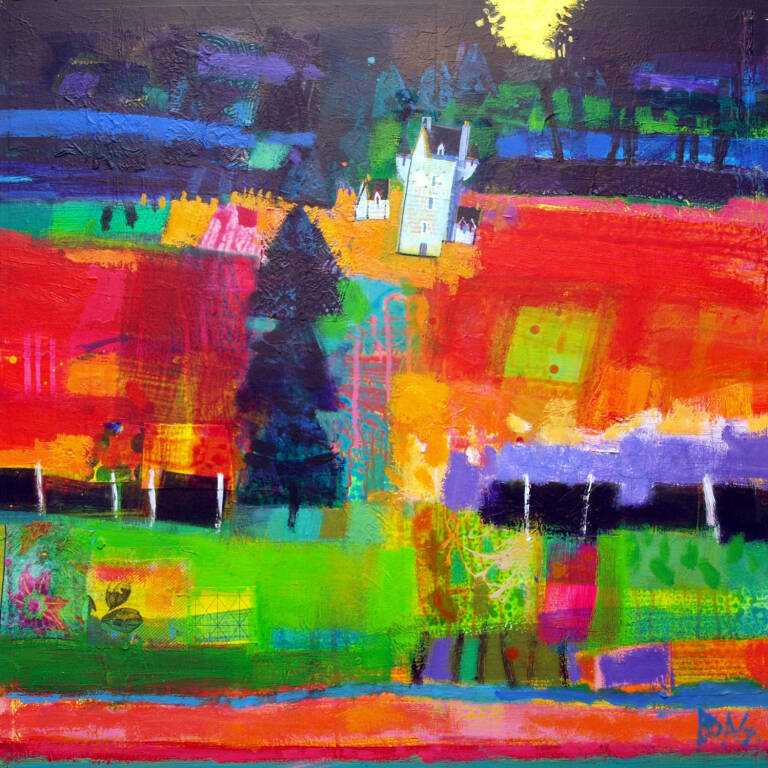
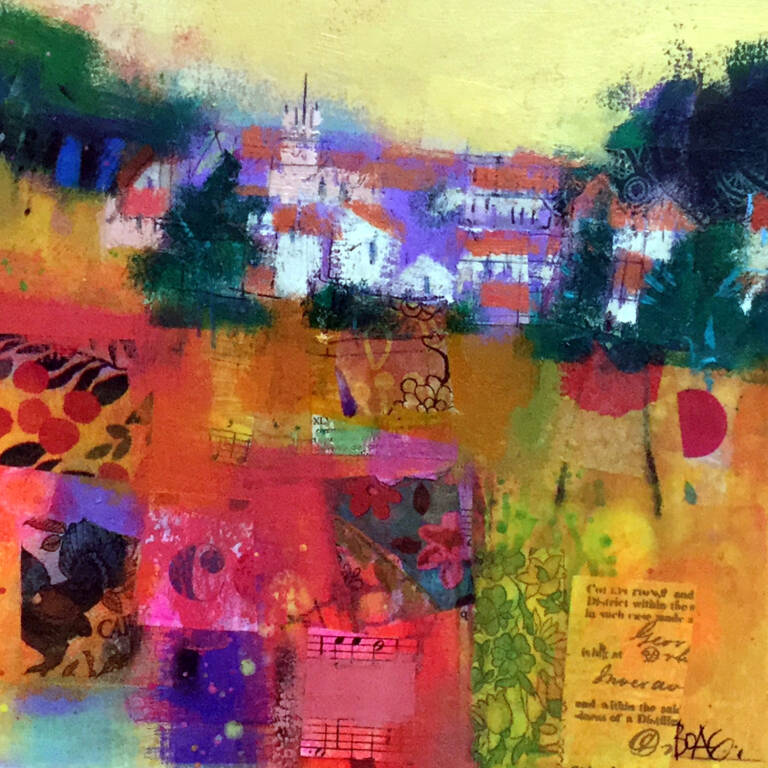
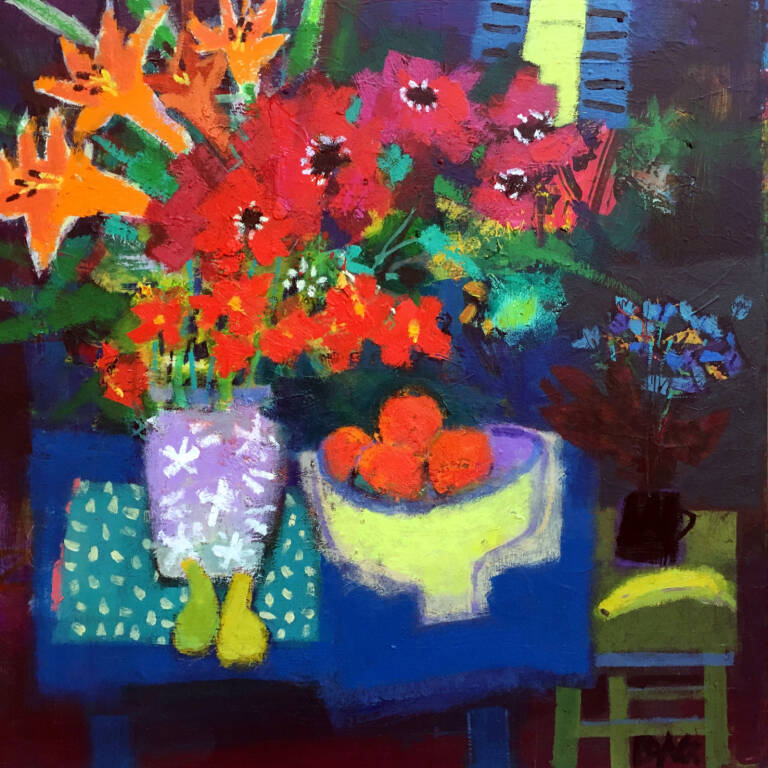
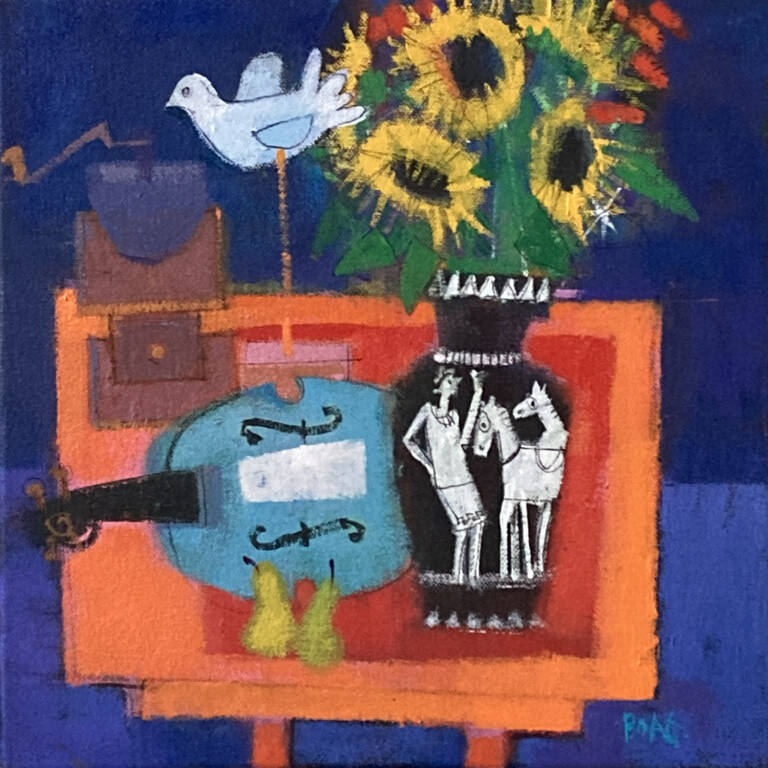
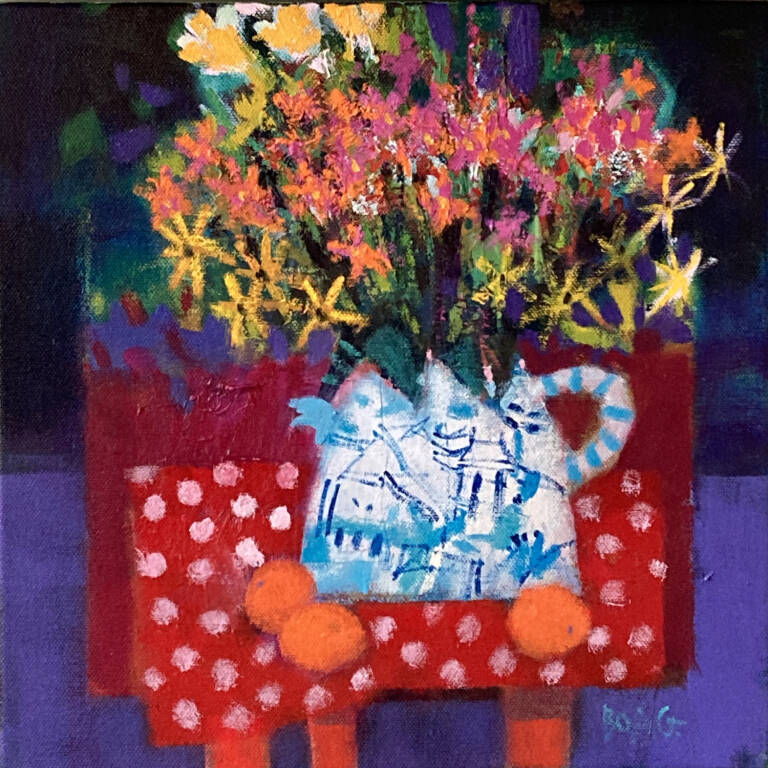
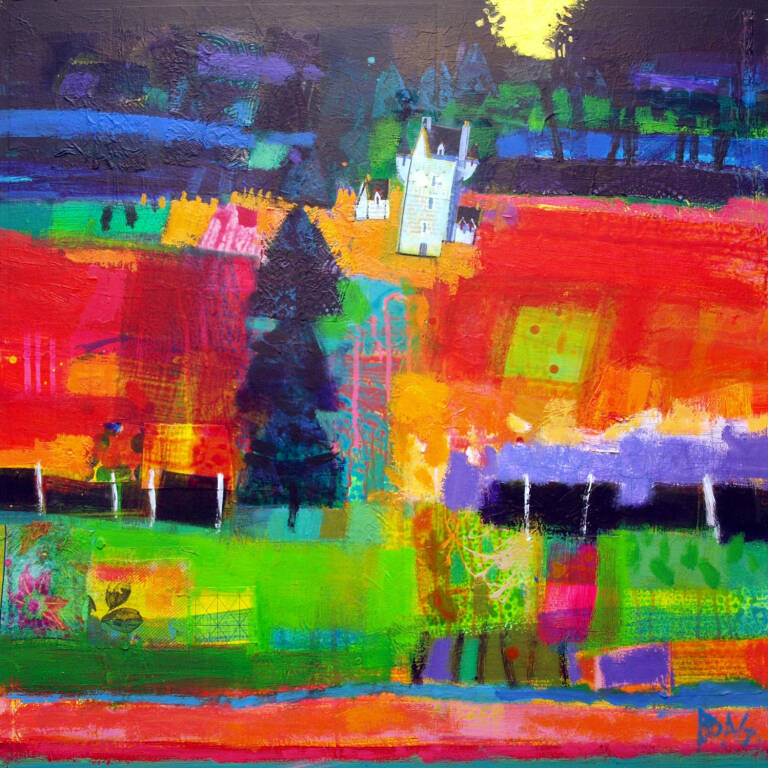
His work is characterised by a bold, expressive palette and a sensuous application of paint, often depicting landscapes and still lifes that blend intellectual structure with emotional depth. Boag draws inspiration from his surroundings in Stonehaven, the Aberdeenshire countryside, and travels abroad - particularly Monet’s garden at Giverny, which has influenced a series of pond-themed paintings.
Boag’s exhibitions have spanned the UK and internationally, including New York, Paris, Munich, and Sydney.
Boag is recognised as a key member of the “New Scottish Colourists,” a movement that revitalizes the legacy of early 20th-century Scottish painters with a contemporary twist. His art has been featured in International Artist magazine and is held in numerous public and corporate collections, including John Lewis plc and the Royal Bank of Scotland. Notably, he is the only Scottish artist represented in UNICEF’s Fine Art collection.
Boag’s contribution to Scottish art lies not only in his distinctive visual language but also in his role as a mentor and educator, bridging the gap between artistic practice and teaching and learning. His work continues to resonate with audiences for its warmth, vibrancy, and deeply personal connection to place and memory.